

| Nama : | PUTU GEDE ISWARADA IDEP PREMANA RUSDYANA |
|---|---|
| Universitas : | Universitas Kristen Petra |
| Jurusan : | Arsitektur |
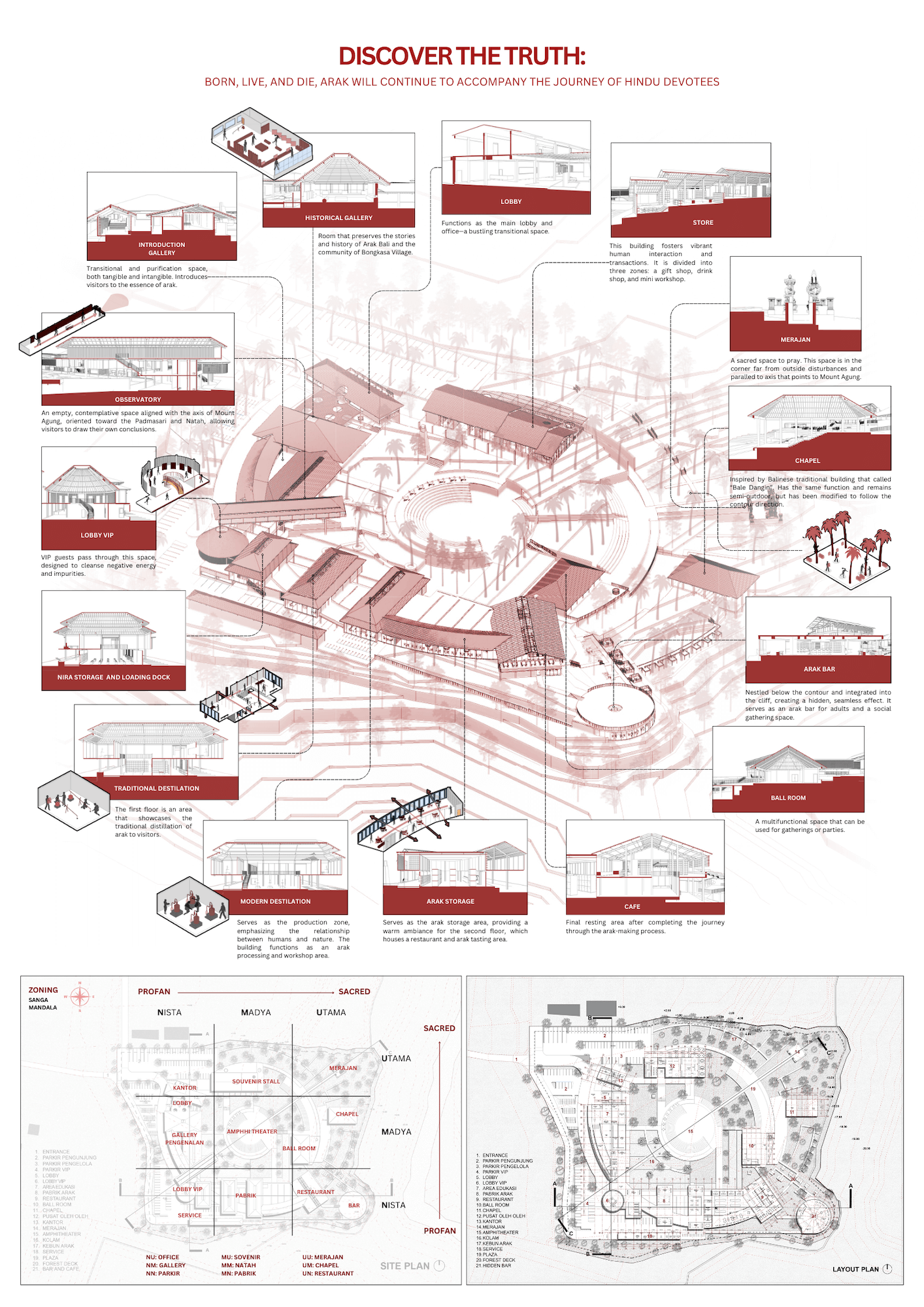
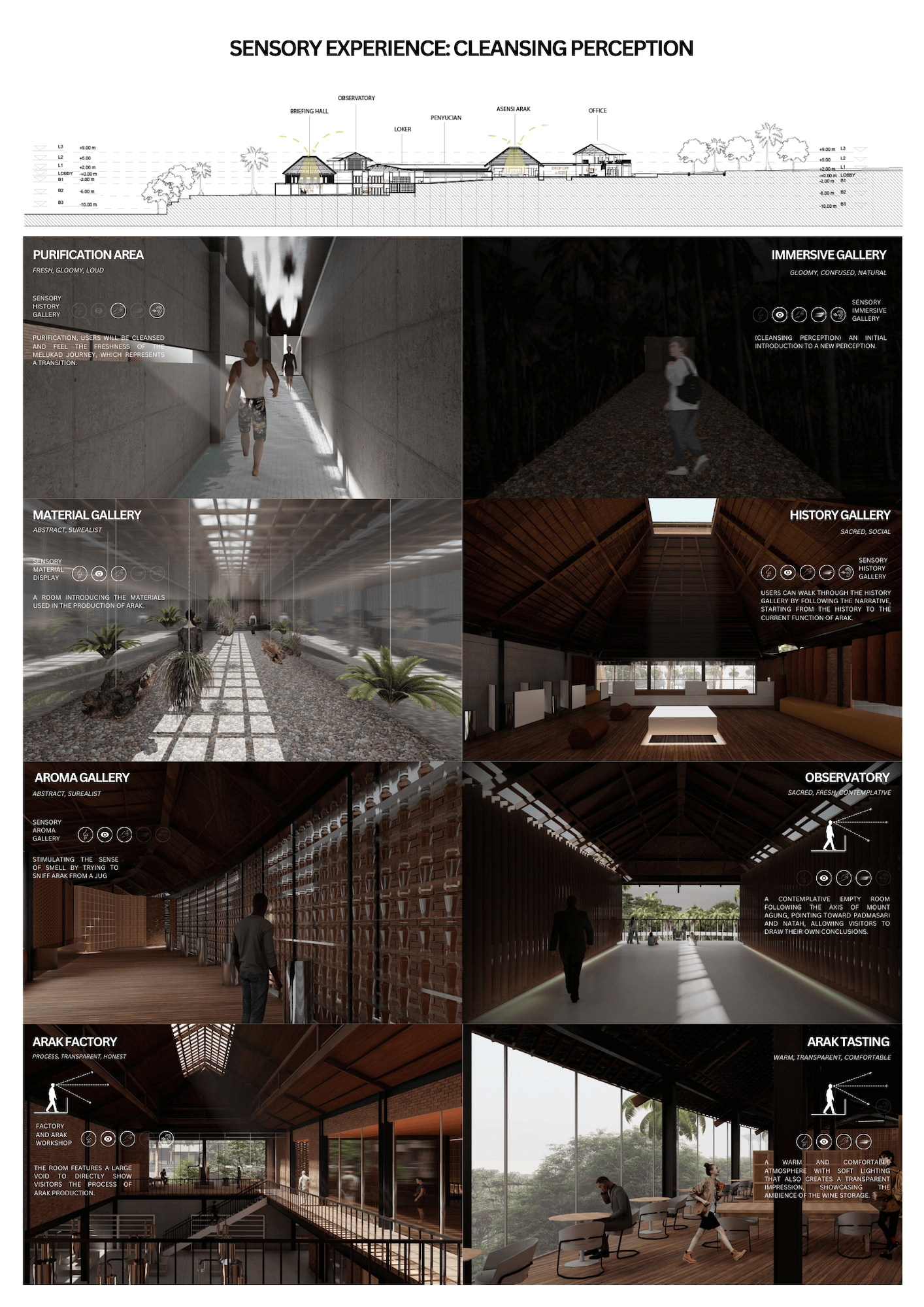
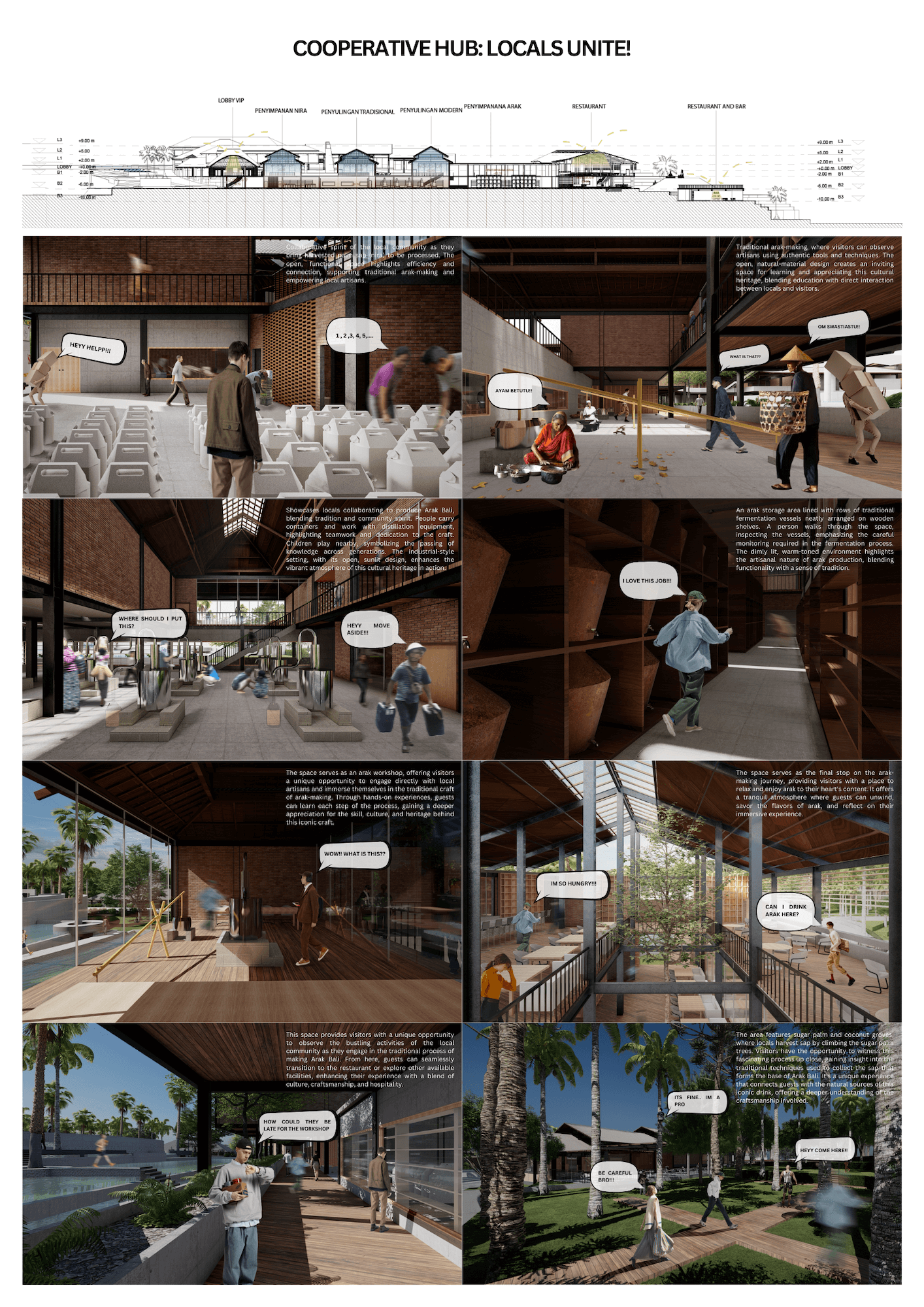
| Tema : | Discover The Truth: Born, Live, and Die, Arak Will Continue To Accompany The Journey Of Hindu Devotees |
| Penghargaan : | Honorary Mention, 2024 |
| Kategori : | Arsitektur |
Project Description
WHAT IS ARAK BALI?
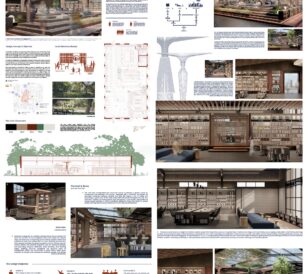
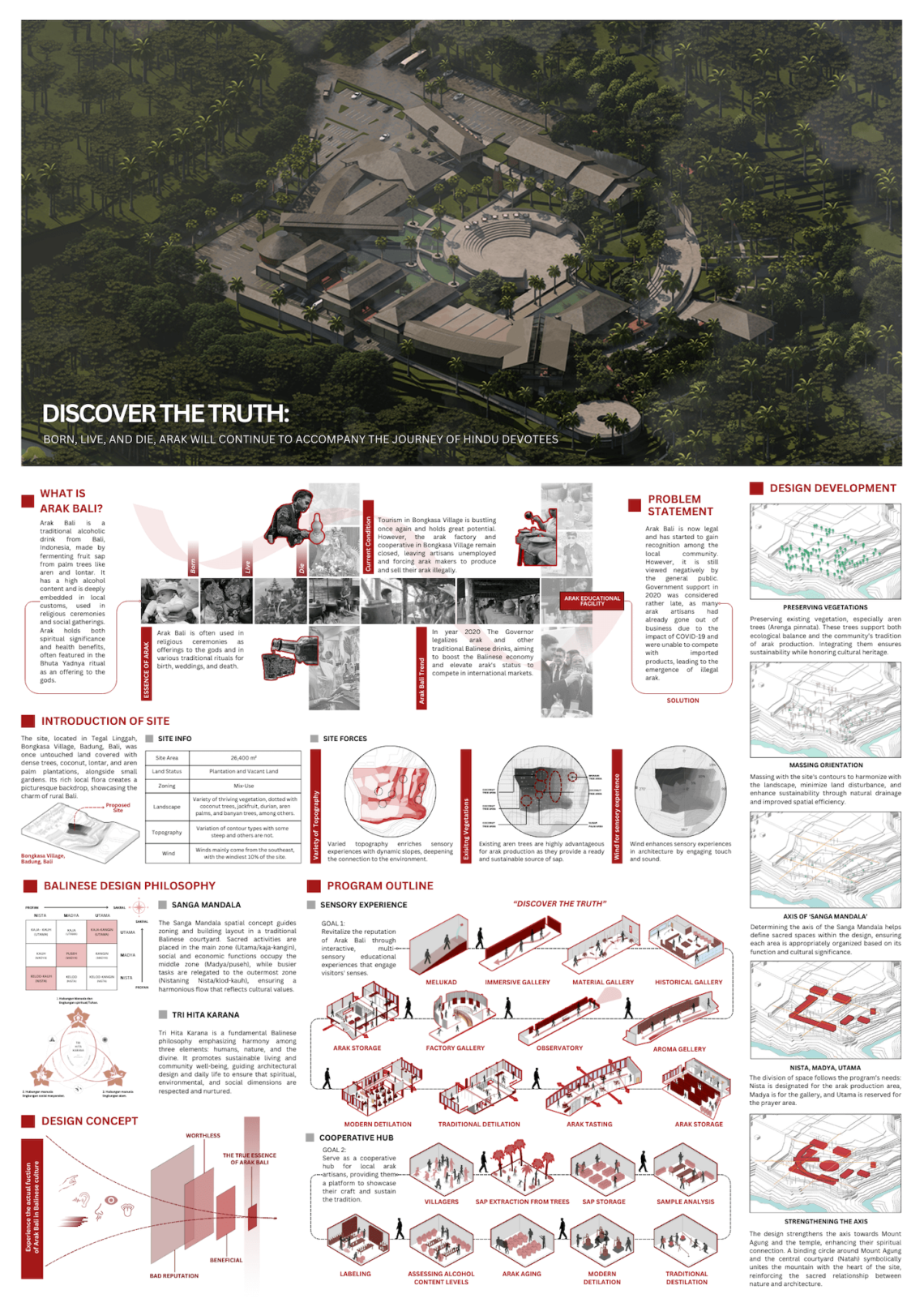
Arak Bali is a traditional alcoholic drink from Bali, Indonesia, made by fermenting fruit sap from palm trees like aren and lontar. It has a high alcohol content and is deeply embedded in local customs, used in religious ceremonies and social gatherings. Arak holds both spiritual significance and health benefits, often featured in the Bhuta Yadnya ritual as an offering to the gods.
PROBLEM STATEMENT
Arak Bali is now legal and has started to gain recognition among the local community. However, it is still viewed negatively by the general public. Government support in 2020 was considered rather late, as many arak artisans had already gone out of business due to the impact of COVID-19 and were unable to compete with imported products, leading to the emergence of illegal arak.
INTRODUCTION OF SITE
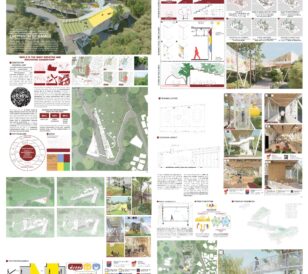
The site, located in Tegal Linggah, Bongkasa Village, Badung, Bali, was once untouched land covered with dense trees, coconut, lontar, and aren palm plantations, alongside small gardens. Its rich local flora creates a picturesque backdrop, showcasing the charm of rural Bali.
BALINESE DESIGN PHILOSOPHY:
SANGA MANDALA
The Sanga Mandala spatial concept guides zoning and building layout in a traditional Balinese courtyard. Sacred activities are placed in the main zone (Utama/kaja-kangin), social and economic functions occupy the middle zone (Madya/puseh), while busier tasks are relegated to the outermost zone (Nistaning Nista/klod-kauh), ensuring a harmonious flow that reflects cultural values.
TRI HITA KARANA
Tri Hita Karana is a fundamental Balinese A philosophy emphasizing harmony among three elements: humans, nature, and the divine. It promotes sustainable living and community well-being, guiding architectural design and daily life to ensure that spiritual, environmental, and social dimensions are respected and nurtured.
Presentation Board